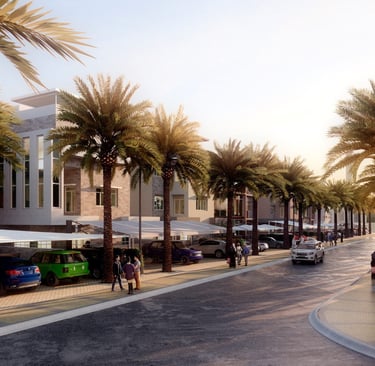
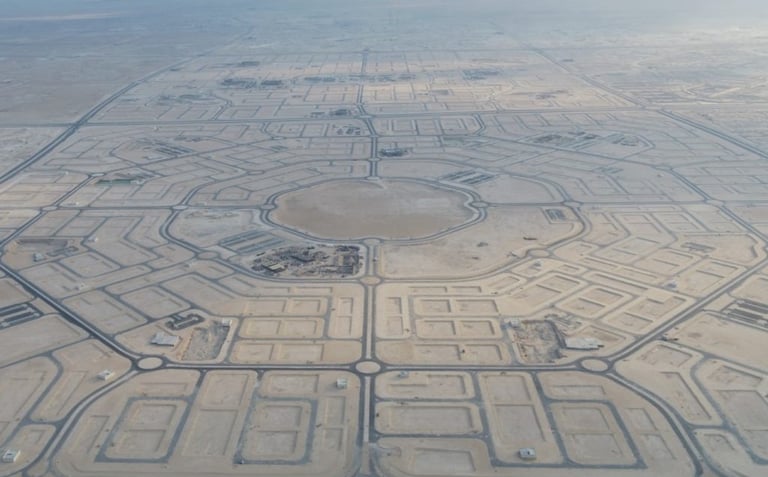
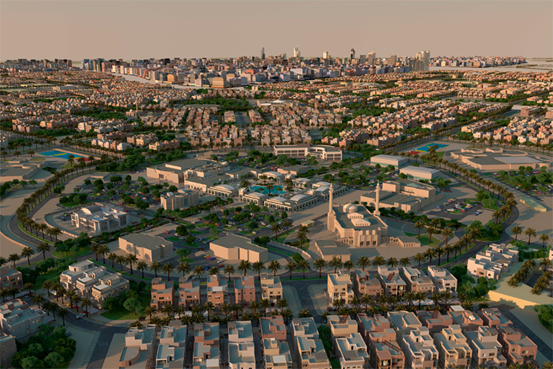
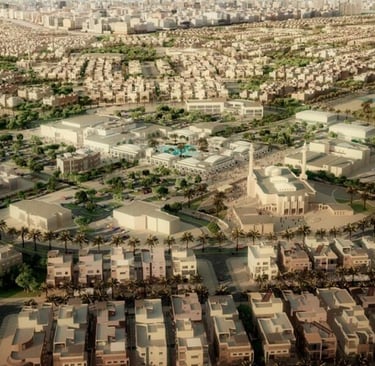
APEX Construction: Building the Heart of a Community – Al-Mutlaa N11 Neighborhood Center, Kuwait
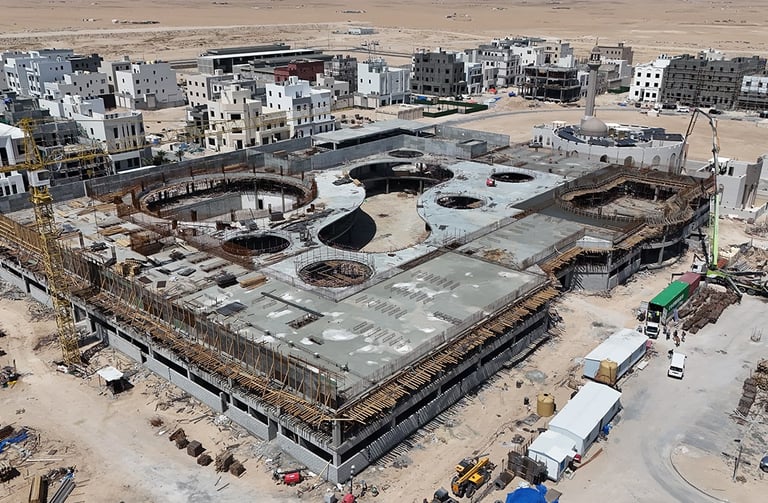
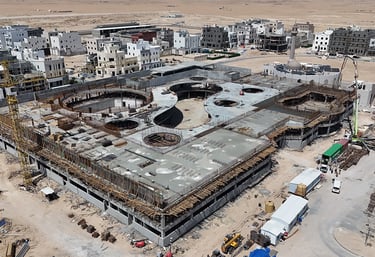
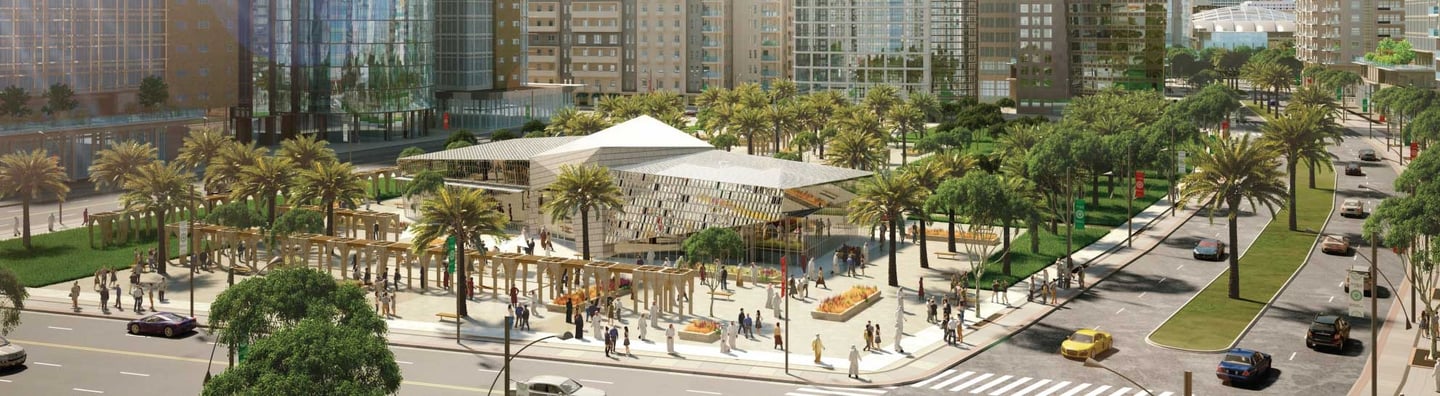
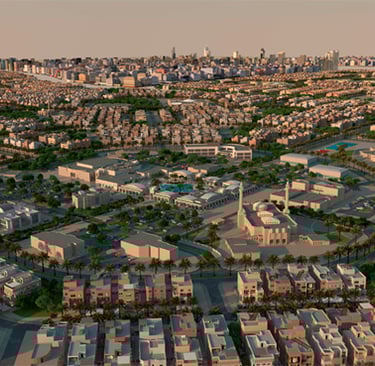
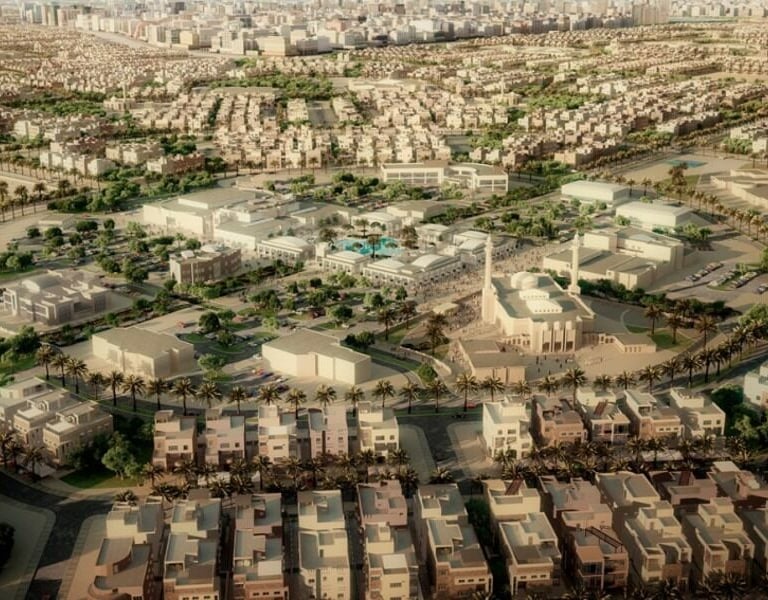
APEX Construction was entrusted with a foundational project of profound social impact: the comprehensive design-build and long-term maintenance of the complete public infrastructure and civic buildings for the N11 Neighborhood Center in Kuwait's Al-Mutlaa District.
This landmark undertaking went beyond traditional construction, requiring us to create the essential framework for a modern, thriving community from the ground up. Our scope encompassed the total delivery of the neighborhood's social and administrative core, ensuring seamless integration between all structures and the surrounding urban landscape.
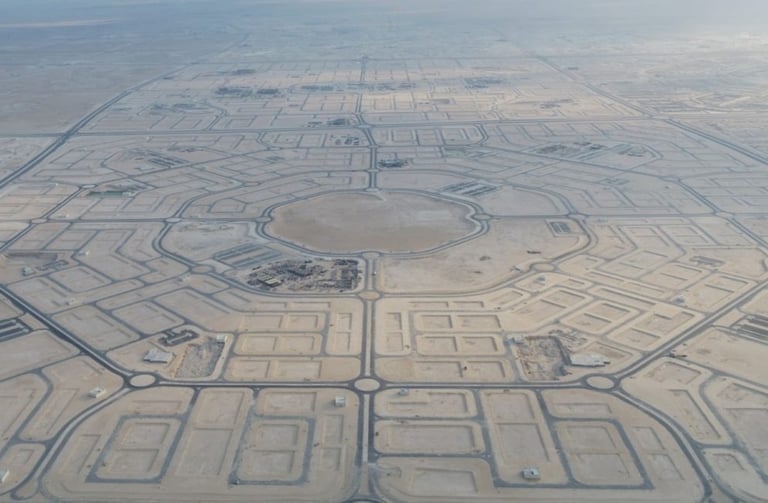
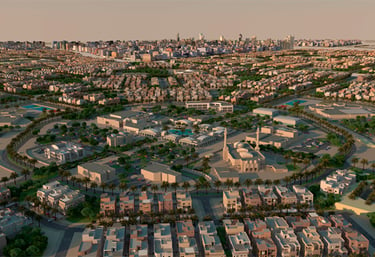
Project Deep Dive: Engineering a Modern Community – The Al-Mutlaa Residential Project, Kuwait
By APEX Construction
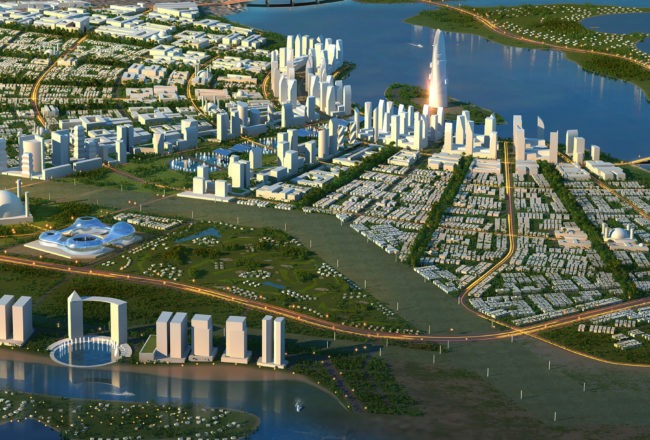
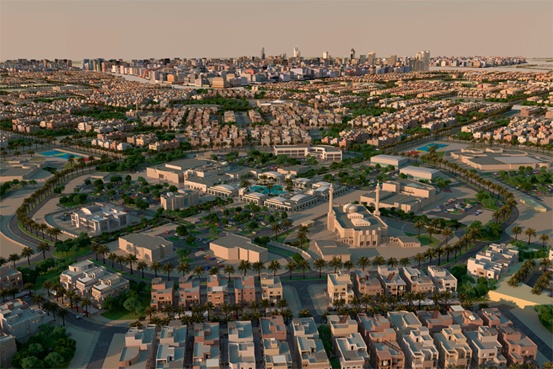
At APEX Construction, we define legacy not just by the structures we erect, but by the communities we help create. The Al-Mutlaa Residential Project in Kuwait, substantially completed in 2023, stands as a quintessential example of this philosophy. This wasn't merely a construction job; it was the comprehensive delivery of a fully serviced, modern, and sustainable urban enclave designed to house thousands of families, forming an integral part of Kuwait's ambitious national housing strategy.
Project Overview: A City Within a City
Project Title: Al-Mutlaa Residential City – Package/Zone [Specific Sector, e.g., R4 or equivalent as per client designation]
Client: The Public Authority for Housing Welfare (PAHW), State of Kuwait
Contract Type: Design-Build (or EPC/Turnkey, depending on exact structure)
APEX Role: Main Contractor responsible for complete civil, architectural, MEP, and infrastructure works.
Project Scale: Delivery of approximately 1,200 to 1,500 residential villas (depending on final project parcel), along with all primary internal infrastructure.
Site Area: Over 4.5 square kilometers of developed land.
Project Timeline: Construction commenced in Q2 2019 and achieved substantial completion and handover to the client by Q4 2023, representing a 4.5-year journey of intense execution.
The Grand Challenge: Transforming Desert into Dwelling
The core challenge was the sheer scale and complexity of creating a complete, habitable district on a greenfield desert site. The project required a synchronized army of engineers, foremen, and laborers to execute a plan involving millions of cubic meters of earthwork, hundreds of kilometers of utilities, and the repetitive yet precision-driven construction of high-quality housing units.
Phase I: Master Earthworks & Subsurface Engineering (2019-2020)
Before a single foundation was poured, the land itself had to be prepared and stabilized—a monumental task in the Kuwaiti desert.
Mass Earthmoving & Grading: Over 8 million cubic meters of sand and rock were moved using a fleet of dozens of excavators, bulldozers, graders, and dump trucks. The entire site was meticulously graded to precise levels (often within +/-10mm tolerance) to ensure positive drainage away from all future structures, a critical factor in a region prone to infrequent but intense rainfall.
Dynamic Compaction & Soil Stabilization: The loose, wind-blown dune sand was insufficient for supporting structures and roads. We employed high-energy dynamic compaction techniques, using cranes to drop heavy weights (up to 15 tons) from heights of 15-20 meters in a grid pattern across the site. This process densified the soil to a depth of 5-6 meters, creating a stable platform. In areas requiring extra bearing capacity, vibro-flotation or cementitious soil mixing was used.
Subsurface Utility Corridors: Trenches for the future mega-network of utilities were excavated simultaneously, with careful sequencing to avoid rework.
Phase II: The Lifelines – Infrastructure Nexus (2020-2022)
This phase involved installing the hidden, yet most critical, circulatory and nervous systems of the new city.
Roads & Stormwater Management:
A hierarchical network of primary, secondary, and access roads was constructed, totaling over 60 kilometers.
Roads were built with a multi-layered approach: compacted sub-base, cement-stabilized base course, and a final asphalt wearing course.
An extensive stormwater drainage system of concrete culverts, catch basins, and retention ponds was installed to manage the rare but potentially destructive flash floods.
Utility Networks – Engineering for Extreme Climate:
Potable Water: A 120+ km network of ductile iron and HDPE pipes, fed from central mains, with individual connections to each plot.
Wastewater: A separate 100+ km network of PVC and GRP pipes, sloped towards lift stations and eventually a major sewage treatment plant.
Electrical Power: Installation of a medium-voltage (11kV) ring main in dedicated corridors, with step-down transformers (33/0.4 kV) serving clusters of villas. Over 250 km of LV and MV cables were laid in protected concrete troughs.
Telecommunications: Conduit systems for future fiber-optic networks were installed to every plot, ensuring the community was "smart-ready."
Phase III: Structural Rise – The Villa Construction (2020-2023)
The heart of the project was the construction of high-standard residential villas, built using a mix of traditional and modern efficient methods.
Foundation Systems: Given the now-stabilized ground, most villas used reinforced concrete raft foundations. For larger or more complex unit types, strip footings or piled foundations were employed. Each foundation was cast with high-grade, sulfate-resistant concrete (C40/50) and contained a meticulous mesh of rebars, all inspected before pouring.
Superstructure – Cast-in-Place Concrete Skeleton: The primary structural frame for all villas was cast-in-place reinforced concrete. This involved:
Formwork: Thousands of square meters of modular steel and aluminum formwork systems were used for walls and slabs, ensuring rapid cycle times, reusability, and excellent surface finish.
Reinforcement: A dedicated steel yard on-site cut and bent over 45,000 tons of reinforcing steel (rebar). Every beam, column, and slab was reinforced according to detailed structural drawings to resist gravity, wind, and seismic loads.
Concrete Production & Placement: Two major on-site batching plants produced over 350,000 cubic meters of concrete. Concrete pumps with booms reaching over 40 meters placed the material, followed by mechanical vibration for compaction and curing under plastic sheets to prevent rapid drying in the desert heat.
Architectural Enclosure:
Masonry Walls: External and internal walls were built using autoclaved aerated concrete (AAC) blocks, chosen for their light weight, thermal insulation properties, and ease of installation.
External Finishes: A rendered and insulated exterior finish was applied, topped with a durable, weather-resistant exterior paint. Decorative stone cladding and architectural features were added per the design.
Phase IV: Mechanical, Electrical, and Plumbing (MEP) – The Vital Systems (2021-2023)
MEP works were intricately coordinated with the structural and architectural phases, often proceeding in parallel on different villas.
Mechanical (HVAC): Each villa was equipped with a centralized ducted split-system or Variable Refrigerant Flow (VRF) system.
Installation: This involved installing insulated ductwork throughout false ceilings, refrigerant piping from external condenser units to multiple indoor fan-coil units, and condensate drainage networks.
Challenges: Ensuring thermal insulation integrity at all joints and designing systems for extreme cooling loads (outdoor temperatures often >50°C) were paramount.
Plumbing:
A dual-system for fresh water (pressurized cold and hot from in-villa heaters) and drainage (soil, waste, and vent pipes) was installed within walls and slabs.
All wet areas (bathrooms, kitchens) received waterproofing membranes, screeds, and ceramic tile finishes.
Graywater systems were sometimes incorporated for landscape irrigation, aligning with sustainability goals.
Electrical & Low-Current Systems:
This included the main distribution board, circuit wiring for lighting, power outlets, and dedicated circuits for AC and major appliances.
Low-current works encompassed structured cabling for telephones, data, and doorbell systems, as well as provisions for security and home automation.
Labor, Logistics, and Mega-Site Management
Workforce: At its peak, the site hosted over 5,000 skilled and semi-skilled workers from more than 15 nationalities. This included civil engineers, steel fixers, carpenters, masons, MEP technicians, electricians, plumbers, heavy equipment operators, and quality/safety inspectors.
Logistics: Managing material flow was a herculean task. A just-in-time delivery system for concrete and rebar was coordinated with the on-site plants. Other materials (blocks, tiles, MEP equipment, windows, doors) were stored in vast, organized laydown areas.
Quality & Safety: A dedicated team of over 100 QC/QA personnel conducted thousands of tests on materials (concrete slump, cube strength, soil density, weld quality) and inspections. The project maintained a world-class safety program, with daily toolbox talks, strict PPE enforcement, and a fully equipped site clinic, achieving millions of safe man-hours.
Conclusion: A Legacy Delivered on Time
The completion of the Al-Mutlaa Residential Project in 2023 was a testament to APEX Construction's mastery of large-scale, complex, integrated urban development. We didn't just build houses; we delivered a complete, engineered environment. By overcoming the immense challenges of the desert climate, logistical scale, and technical complexity, APEX provided the Public Authority for Housing Welfare with a ready-made, high-quality community—a cornerstone of Kuwait's national vision and a new home for thousands of families. This project remains a benchmark in our portfolio, showcasing our ability to be a true partner in nation-building.
Gallery
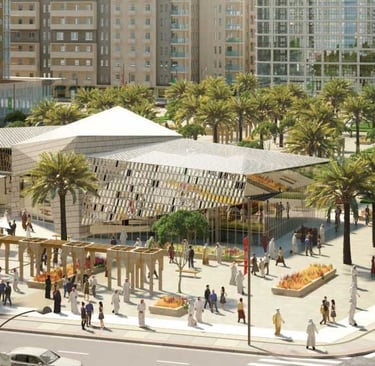
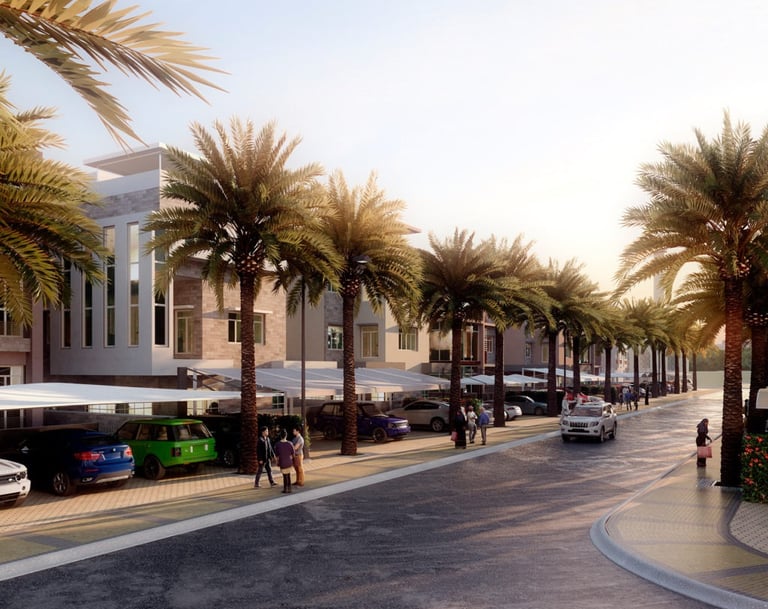
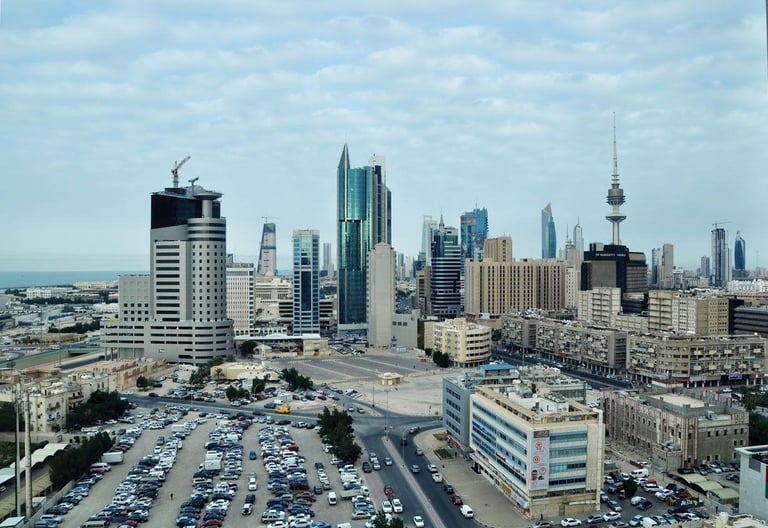
Al-Mutlaa N11 Neighborhood Center, Kuwait
Contact
Sanberk İşhanı Building
D-130 Karayolu, Cad No: 30/B-34 Başiskele Sahil Mahallesi 41090 Kocaeli TÜRKİYE
Phone
+90 532 389 52 82
© 2025. All rights reserved.